

Cycle Charging with Generator: Cleaner Power, Less Runtime
– Infinity Cube, BESS, Generator, Construction
Diesel tower light running all night. Diesel forklifts squeezing through tight spaces with engines humming. Generators running for long hours, even when loads are small. Noise, fumes and fuel cost all add up.
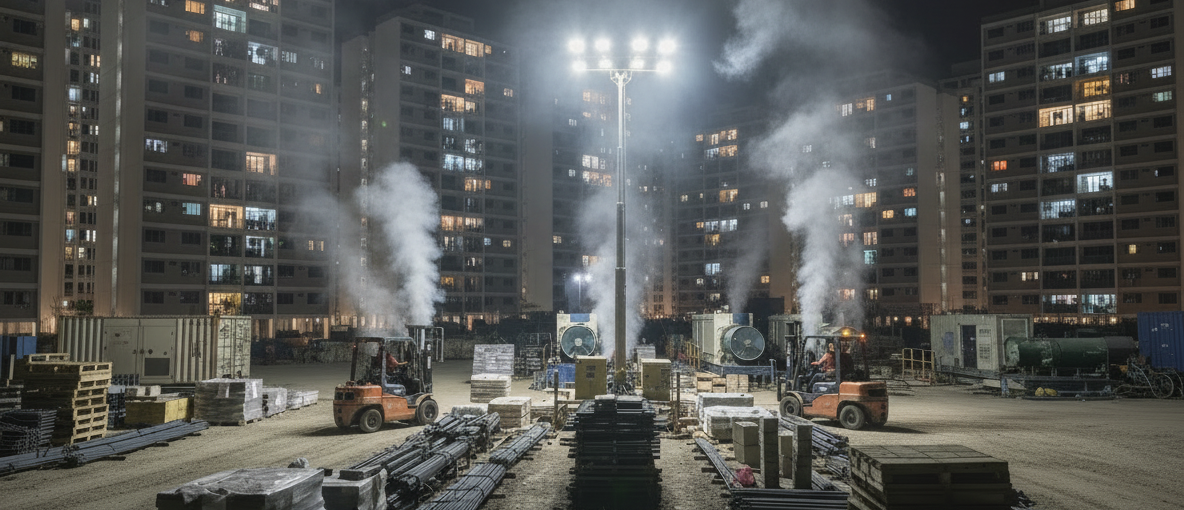
Now picture a different site.
Electric tower lights around the perimeter. Electric forklifts handling materials and access inside buildings. Cycle charging with generator where generator run fewer hours because a Battery Energy Storage System (BESS) handles low loads and night work.
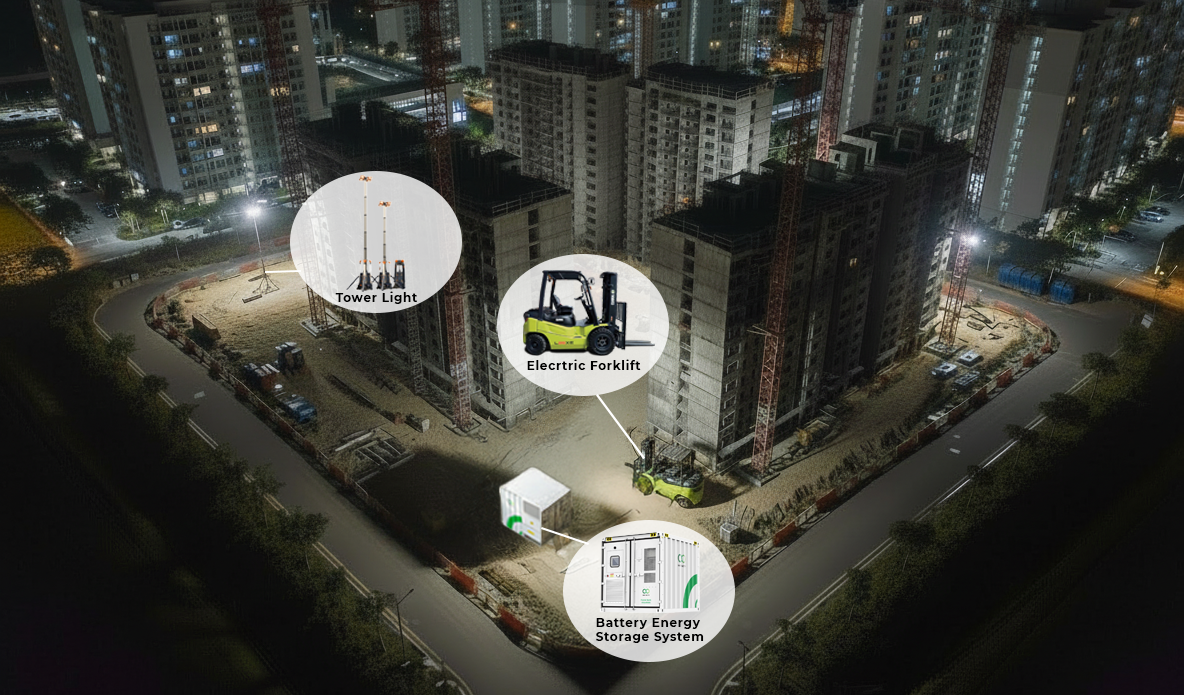
The result is a site that is much quieter, cleaner and easier to justify to clients, residents and regulators.
You do not have to run a diesel heavy site by default. You can turn most of it electric and near diesel free with a few clear decisions.
In this article, we focus on three big moves you can make using equipment that is already proven on active projects: electric tower lights, electric lifting equipment, and hybrid BESS plus generator setups.
These steps fit real site conditions, especially for projects near housing, offices and busy roads.
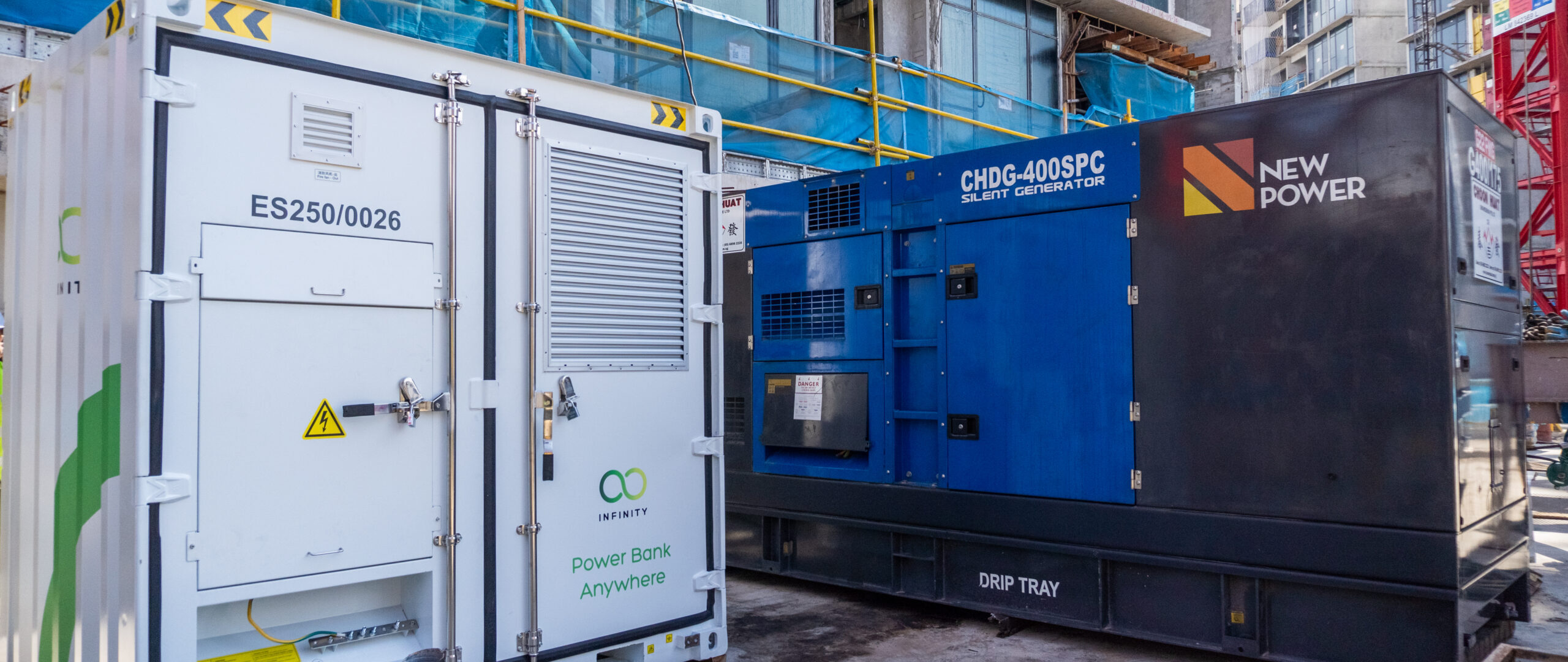
The problem: generator running when they do not need to.
Generators will stay important for many years. They handle heavy loads, peaks and locations without grid access.
The challenge is how they are used.
On many sites you will see:
This is expensive, noisy and harder to justify as fuel costs and sustainability targets tighten.
How cycle charging with generator with BESS setups change the picture
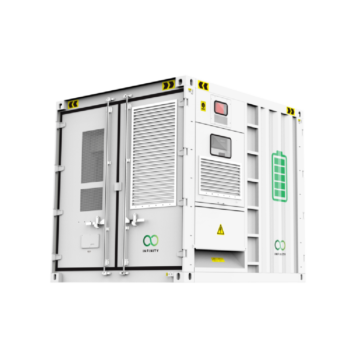
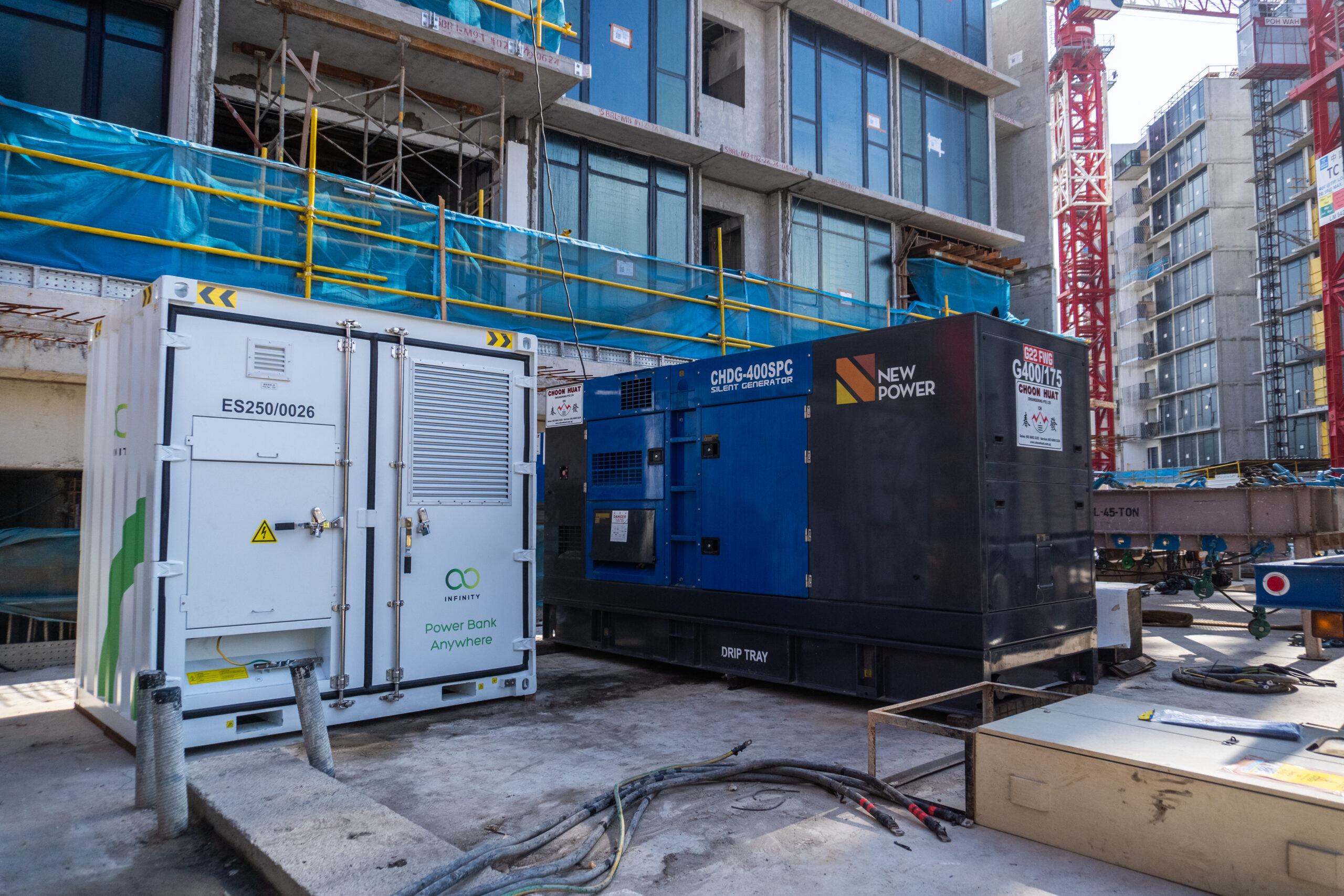
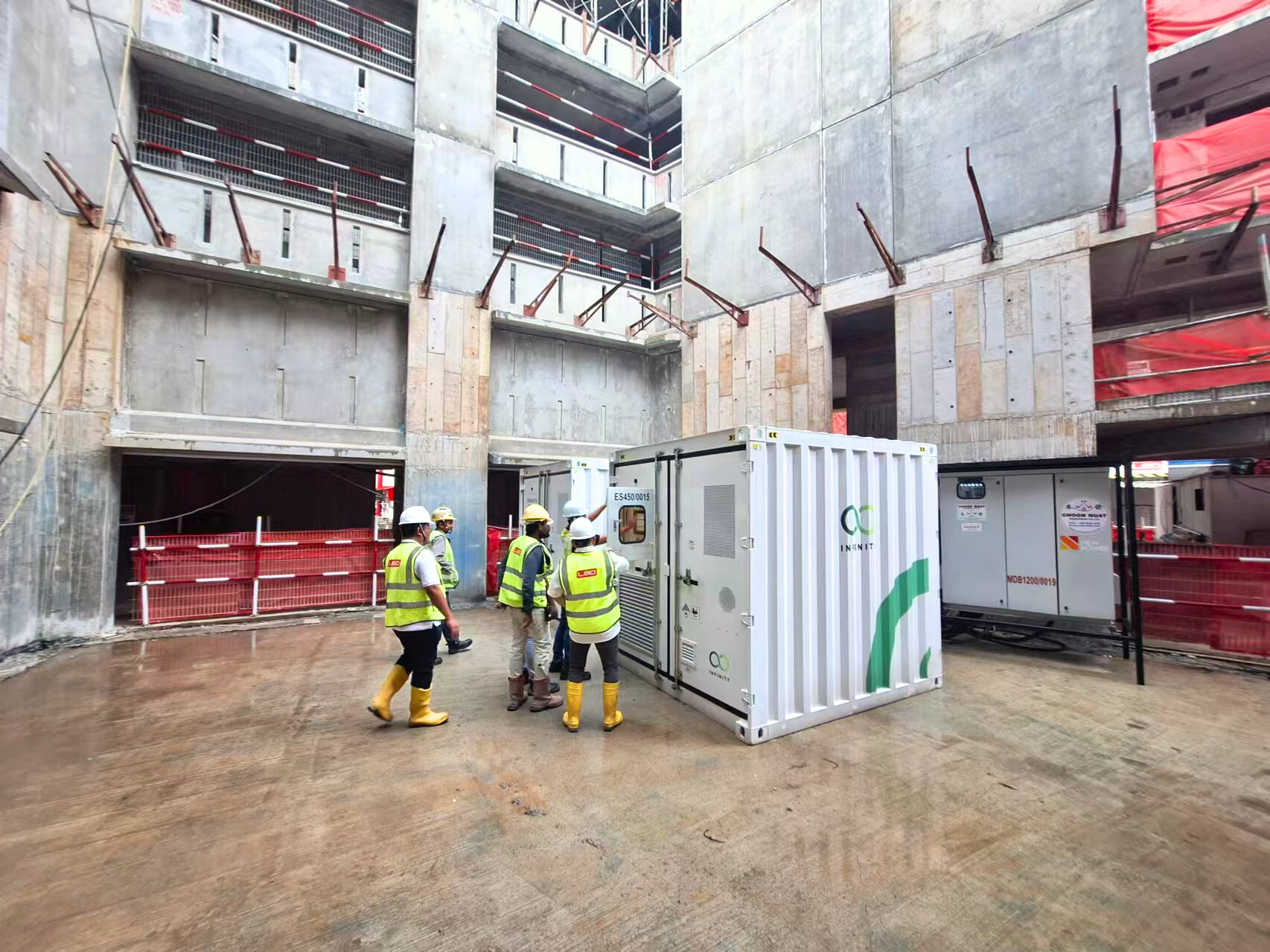
A Battery Energy Storage System (BESS), such as the Infinity Cube, can sit between your loads and your generators. It stores energy when supply is available and releases it when needed.
In a setup:
They run fewer hours and closer to their optimal load range, which is better for fuel and for the machines.
The BESS can power small loads quietly.
Less idling means lower consumption and longer service intervals.
When combined with generator setups, you also gain redundancy and smoother load sharing, which helps critical operations stay online.
By letting a BESS handle low loads and peaks, you reduce generator runtime, cut noise at night and lower fuel use. Every hour of reduced runtime counts for your maintenance team and your fuel bill.
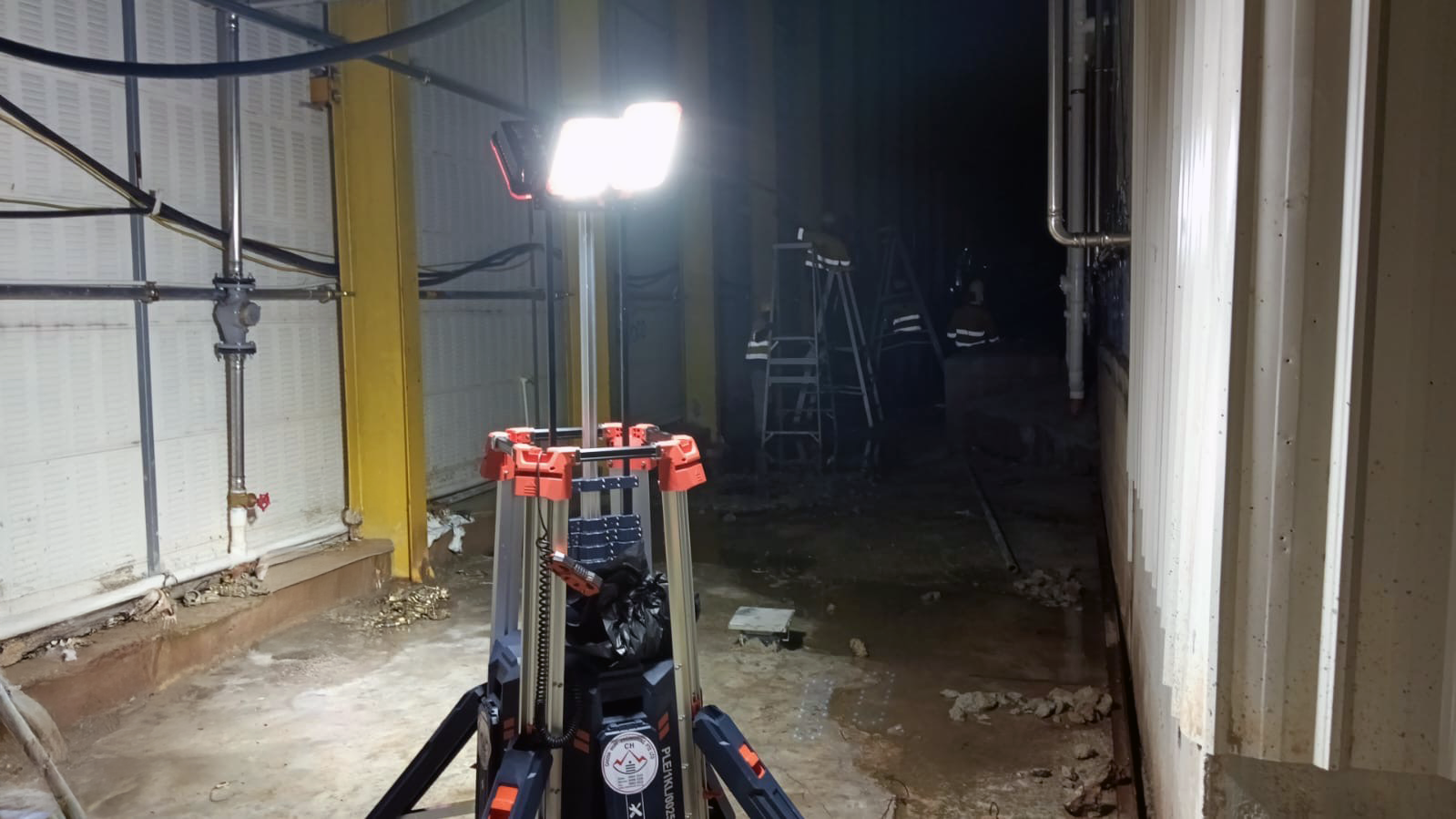
The problem: noisy, smoky nights
Many night projects still use diesel tower lights for relatively light loads. On paper, it looks simple: one generator, a few light masts and the site is bright.
In practice, this often means:
On sites near housing, offices, parks or public events, this setup can trigger complaints very quickly.
How electric tower lights change the picture
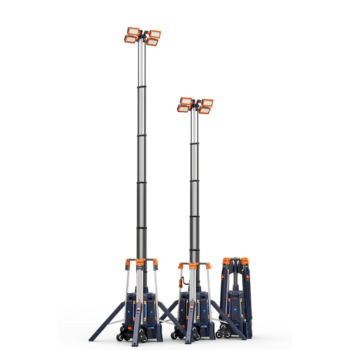
Electric tower lights such as the TL-500 and TL-400 remove the diesel engine from the mast completely. They use high efficiency LED lighting powered by onboard batteries, so there is no engine noise and no local exhaust at the light tower.
In standard mode, the TL-500 can run over 20 hours, which covers a full night shift and more without refuelling or engine checks.
Key benefits
These units are especially useful for:
The priority is to deploy electric tower lights first in the most sensitive areas, where noise and exhaust cause the biggest problems.
Swapping a few diesel light towers for electric tower light units on sensitive parts of the site can already reduce noise and fuel use. Every quieter night counts when your project runs for months.
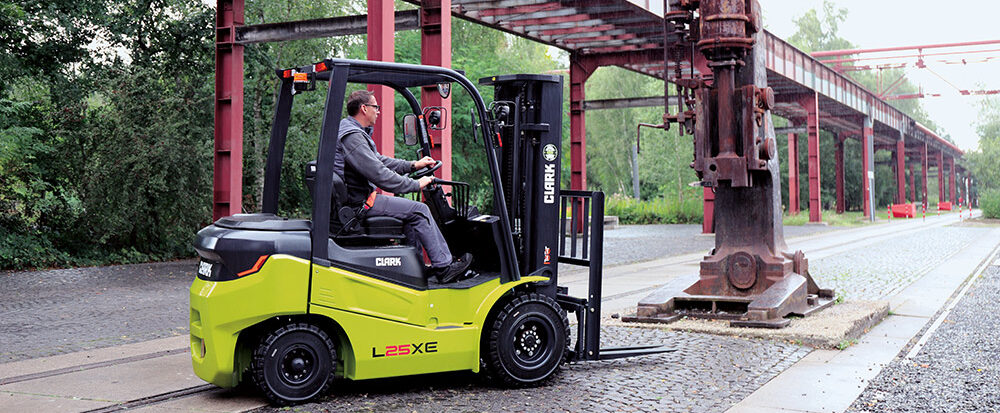
The problem: diesel machines in tight or indoor spaces
On most Singapore sites, diesel forklifts are still the standard choice for day to day work.
The issues start when these machines operate:
In those conditions, exhaust fumes, vibration and noise become more than a comfort issue. They affect safety, concentration and in some cases compliance.
Why electric lifting and support equipment makes sense
Not every machine needs to be diesel. For material handling, access and smaller tools, electric options are often a better fit.
With electric forklifts you gain:
Your team will feel this most when:
Treat indoor and tight areas as non negotiable for electric. Once those are covered, you can gradually expand electric units to the rest of the site.
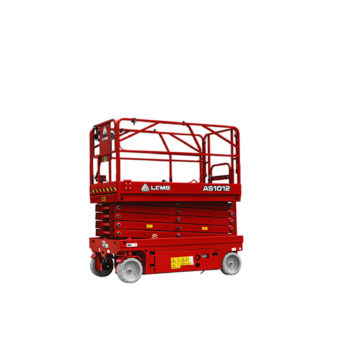
Over time, you can add more electric units and even electric welders, building up a site layout where most lifting and access inside the structure is already diesel free.

What a green site can look like
If you step back and look at the whole site, these three moves change the picture in a big way.
A near diesel free site can look like this:
The aim is to redesign the site so that the equipment people see and work around every day is electric or low impact, not diesel.
This is a bigger step than a single pilot unit, but it is still built from practical choices in three clear areas: lighting, lifting and power.
Share your site details with us and we will suggest a practical mix of diesel, electric and BESS options based on your layout, loads and constraints.
Choon Huat Engineering
Your #1 Partner in Power Solutions
Established in 1983
– Infinity Cube, BESS, Generator, Construction
– Infinity Cube, BESS, Construction
WhatsApp us